How Modern Technology Safely Removes Unwanted Ink
Tattoos are a popular form of self-expression, but personal tastes, lifestyles, and professional goals can change over time. As a result, many people eventually begin searching for effective ways to remove tattoos safely and successfully. Modern laser tattoo removal has become the leading treatment option because it offers a non-surgical method for fading or completely removing unwanted ink while minimizing damage to the surrounding skin.
Laser tattoo removal works by using concentrated pulses of light energy to target tattoo pigment beneath the skin. Different colors of ink absorb different wavelengths of laser light. When the laser energy reaches the pigment particles, the ink breaks apart into tiny fragments that are naturally cleared away by the body’s immune system over time. This gradual process allows the tattoo to fade safely with each session.
One of the reasons laser tattoo removal is considered the gold standard is because it can treat a wide variety of tattoo colors and skin types. Advanced laser systems are capable of targeting black, blue, green, red, and even difficult colors such as turquoise and purple. Older tattoo removal methods, including dermabrasion or surgical excision, often caused significant scarring and discomfort. Modern laser technology dramatically improves safety, precision, and cosmetic outcomes.
The number of sessions needed depends on several important factors. Tattoo size, ink depth, color complexity, skin tone, and the age of the tattoo all influence how quickly the ink fades. Professional tattoos usually require more treatments than amateur tattoos because they contain more concentrated pigment placed deeper into the skin. Older tattoos may fade faster because some of the ink has already naturally broken down over time.
Many patients are surprised to learn that laser tattoo removal is a gradual process rather than an instant solution. Most tattoos require multiple treatments spaced several weeks apart. This healing period allows the immune system time to remove fragmented ink particles before the next session. Patience is essential because aggressive treatment schedules can increase irritation without improving results.
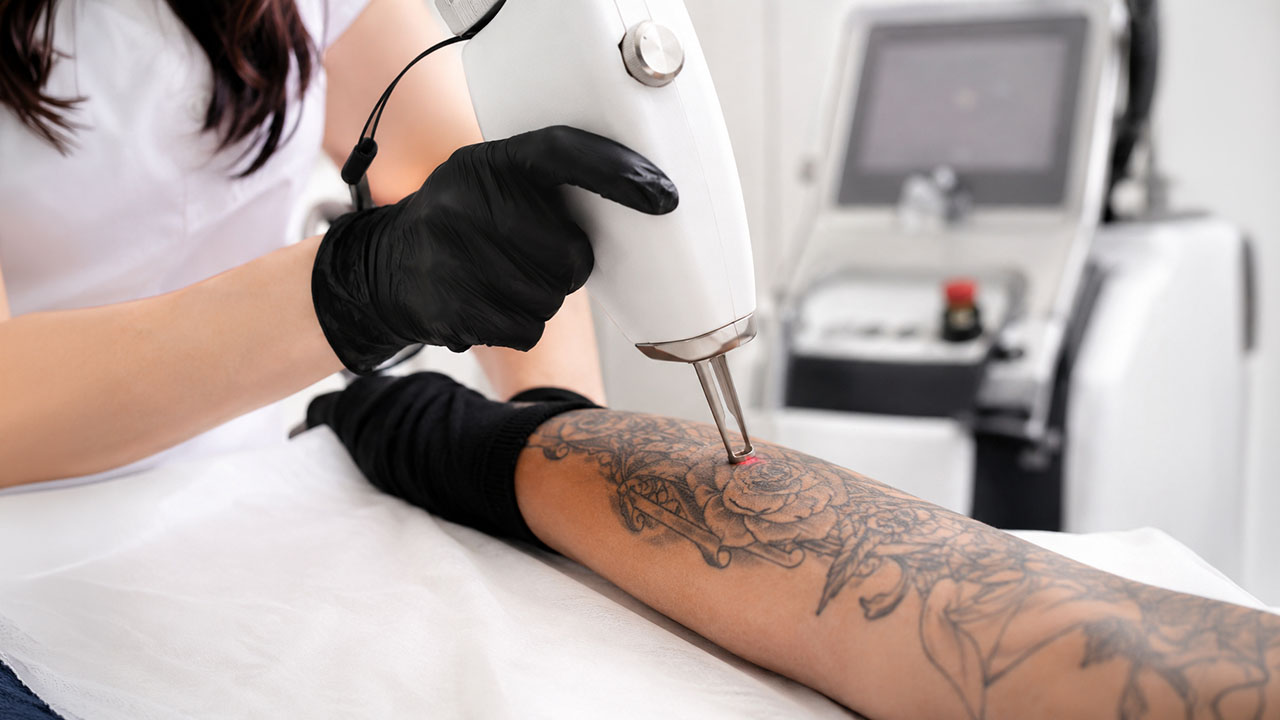
During a laser tattoo removal appointment, the treatment area is first cleaned and prepared. Protective eyewear is worn by both the patient and provider to shield the eyes from laser light. The laser handpiece is then passed over the tattoo, delivering quick pulses of energy into the pigment. Patients often describe the sensation as similar to a rubber band snapping against the skin. Modern cooling systems help improve comfort throughout the procedure.
After treatment, temporary redness, swelling, and mild sensitivity are common. Some patients may also experience blistering or scabbing as the skin heals. These effects are usually temporary and part of the normal recovery process. Following proper aftercare instructions is extremely important for minimizing complications and supporting healthy healing.
Sun protection is one of the most important aspects of tattoo removal aftercare. Excessive sun exposure before or after treatment can increase the risk of pigmentation changes and irritation. Patients are typically advised to avoid tanning and to apply sunscreen regularly throughout the treatment process. Keeping the treated area clean and moisturized can also help promote smoother healing between sessions.
One common misconception is that all tattoos can be completely erased. While modern laser systems can achieve excellent results, complete removal is not always guaranteed. Some tattoos may leave behind a faint shadow or residual pigment depending on ink composition and skin response. However, most patients experience dramatic fading that significantly reduces the visibility of the tattoo.
Laser tattoo removal technology continues to improve every year. Q-switched lasers and picosecond lasers are among the most advanced systems currently available. Picosecond lasers deliver energy in ultra-short bursts that break ink particles into even smaller fragments than traditional lasers. This can improve clearance rates and may reduce the total number of treatments required for some tattoos.
Another educational aspect patients should understand is that different ink colors respond differently to treatment. Black ink tends to respond the fastest because it absorbs all laser wavelengths effectively. Green and blue inks can be more stubborn and may require specialized laser wavelengths. White and fluorescent inks are often the most challenging because they reflect light rather than absorb it.
Skin type also plays a major role in treatment planning. Experienced providers carefully select laser settings based on the patient’s skin tone to minimize the risk of hyperpigmentation or hypopigmentation. Advances in technology have made laser tattoo removal safer for a broader range of skin tones than ever before, but choosing a qualified provider remains extremely important.
People considering tattoo removal should schedule a professional consultation before beginning treatment. During the consultation, the provider evaluates the tattoo, reviews medical history, discusses expectations, and develops a personalized treatment plan. This process helps patients understand realistic outcomes, estimated session numbers, and proper aftercare requirements.
In addition to complete tattoo removal, laser treatments are commonly used for tattoo fading prior to cover-up work. Some individuals do not want full removal but instead wish to lighten an existing tattoo so that a tattoo artist can create a cleaner and more vibrant new design. Partial fading can often be achieved in fewer sessions than full removal.
Safety should always be a top priority when selecting a tattoo removal provider. Laser systems are medical devices that require proper training and experience to operate effectively. Patients should look for clinics that use advanced technology, follow strict safety protocols, and provide thorough consultations and aftercare guidance. Choosing an experienced professional reduces the likelihood of complications and improves overall treatment success.
The growing popularity of laser tattoo removal reflects broader changes in aesthetics and lifestyle preferences. As more people seek flexibility in their appearance, demand for safe and effective tattoo removal continues to increase. Fortunately, advances in laser science now allow many individuals to remove unwanted tattoos with far better results and less downtime than previous generations experienced.
Education is one of the most important parts of the tattoo removal journey. Understanding how the process works, what results to expect, and how to properly care for the skin helps patients make informed decisions. Laser tattoo removal is not an overnight process, but with proper treatment planning and patience, it can successfully reduce or eliminate unwanted tattoos while preserving the health and appearance of the skin.
For individuals considering tattoo removal, modern laser technology offers a proven, non-invasive solution that continues to evolve with new advancements. Whether the goal is complete removal, partial fading, or preparation for a cover-up tattoo, today’s laser systems provide safer and more effective options than ever before.