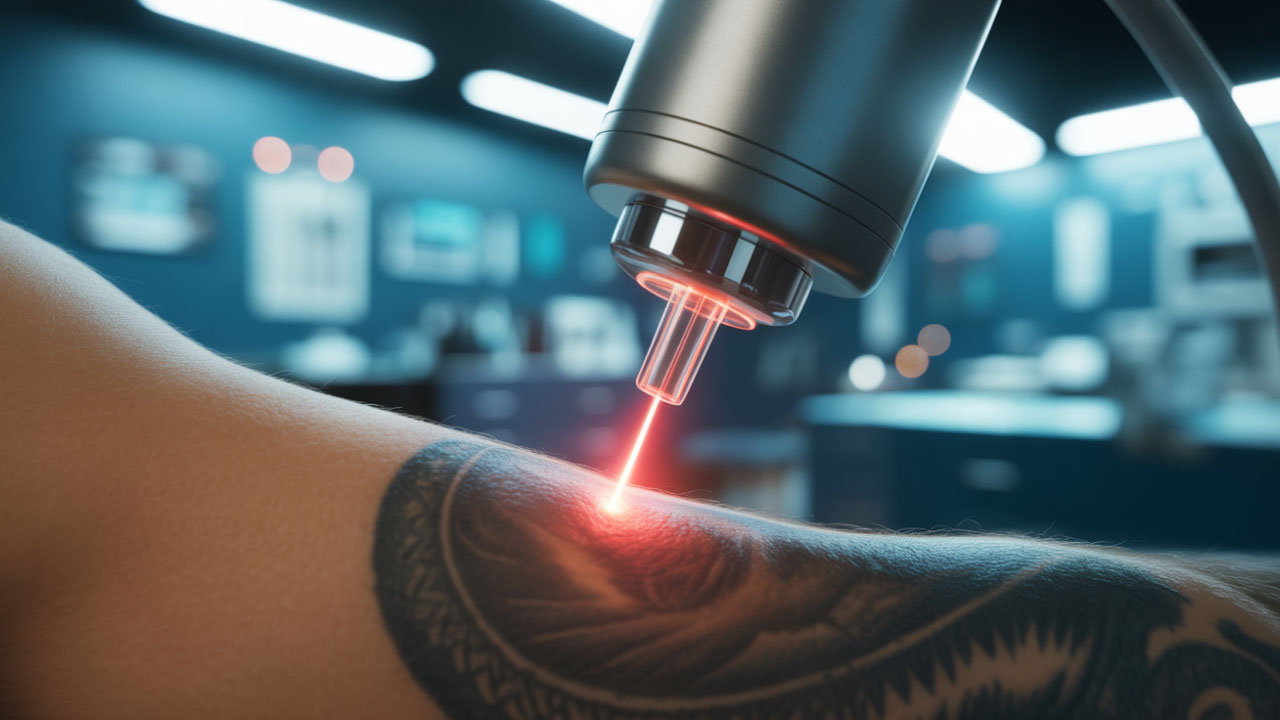
Tattoos have been part of human expression for centuries, symbolizing identity, memories, or artistic creativity. However, what once seemed like a perfect design can later become something a person wishes to remove. Whether it’s a change in personal taste, a career requirement, or simply wanting a fresh canvas, laser tattoo removal has become the gold standard for erasing unwanted ink. This guide explores the science, process, benefits, and considerations involved in laser tattoo removal.
At its core, laser tattoo removal is based on the principle of selective photothermolysis—a process where targeted light energy is used to break down pigment particles without significantly damaging surrounding skin.
Tattoo ink resides in the dermis, the second layer of skin, where it is held in place by immune system cells. The ink particles are too large for the body to naturally remove, which is why tattoos are permanent.
Laser devices emit highly concentrated pulses of light at specific wavelengths that are absorbed by the ink. The energy causes the pigment to shatter into microscopic fragments, small enough for the body’s immune system to gradually flush away through the lymphatic system. Over time, and with multiple treatments, the tattoo fades until it is no longer visible.
Types of Lasers Used in Tattoo Removal
Modern laser tattoo removal has evolved considerably, with different laser systems designed to target various ink colors and skin types. The most common include:
- Q-Switched Lasers – Long considered the industry standard, these deliver nanosecond pulses that are effective on a wide range of ink colors. Variants include:
- Q-Switched Nd:YAG (532 nm and 1064 nm wavelengths) – Works well for dark inks like black and blue, and for reds and oranges.
- Q-Switched Ruby (694 nm) – Effective for blue and green pigments.
- Q-Switched Alexandrite (755 nm) – Targets green and blue inks.
- Picosecond Lasers – A newer generation of devices that deliver energy in trillionths of a second, producing a stronger photomechanical effect. This results in faster ink shattering, often requiring fewer sessions and working more effectively on stubborn colors such as turquoise, teal, and bright green.
The Tattoo Removal Process: Step-by-Step
- Consultation
Before treatment begins, a licensed laser technician or dermatologist evaluates the tattoo’s size, color, age, and location. Skin type, medical history, and lifestyle factors are also reviewed to determine the best approach. - Skin Preparation
The treatment area is cleaned, and protective eyewear is provided for both the patient and technician. For comfort, a topical anesthetic or cooling device may be used. - Laser Treatment
The laser handpiece is positioned over the tattoo, and short pulses of light are delivered. The sensation is often described as similar to the snap of a rubber band against the skin, combined with heat. - Immediate Aftercare
Following treatment, the area may appear whitish or frosted (a temporary reaction caused by gas release from the skin). Redness, swelling, and mild blistering can occur, which are part of the healing process. - Healing & Recovery
The skin typically heals within 1–2 weeks, but the fading process continues for months as the body clears the shattered ink particles. Treatments are spaced 6–8 weeks apart to allow the immune system time to work and prevent skin damage.
Factors That Affect Results
The success of laser tattoo removal depends on several variables:
- Ink Color – Black ink absorbs all wavelengths, making it the easiest to remove. Lighter colors like yellow, green, and turquoise are more challenging and require specialized lasers.
- Tattoo Age – Older tattoos often fade faster than new ones because some pigment has already broken down naturally.
- Ink Depth & Density – Professional tattoos tend to have deeper, denser pigment, requiring more sessions than amateur tattoos.
- Skin Tone – Darker skin contains more melanin, which also absorbs laser light. Technicians must adjust settings to avoid pigmentation changes.
- Body Location – Tattoos on areas with better blood circulation (e.g., chest, upper back) fade faster than those on extremities (e.g., ankles, hands).
- Immune System Health – A strong immune system helps clear ink fragments more efficiently.
Number of Sessions Needed
Most tattoos require 6–12 sessions, though some may take fewer or significantly more, depending on the factors above. Picosecond lasers can sometimes reduce the number of sessions needed. Patience is essential—tattoo removal is a gradual process, and rushing can cause scarring or skin discoloration.
Aftercare Tips for Optimal Healing
Proper aftercare is critical to ensure effective fading and minimize side effects. Recommended steps include:
- Keep the Area Clean & Dry – Gently wash with mild soap and water; avoid scrubbing.
- Apply Ointment – Use an antibiotic ointment or specialized post-laser cream as recommended by your provider.
- Protect from Sunlight – UV exposure can cause pigmentation changes; use SPF 30+ sunscreen once the skin has healed.
- Avoid Picking or Scratching – Let blisters or scabs heal naturally to prevent infection or scarring.
- Stay Hydrated & Healthy – Good nutrition and hydration support the immune system in clearing pigment.
Risks and Side Effects
Laser tattoo removal is generally safe when performed by trained professionals, but potential side effects include:
- Redness & Swelling – Common and temporary, typically resolving within days.
- Blistering – A normal healing response; avoid popping blisters to prevent scarring.
- Hyperpigmentation or Hypopigmentation – Darkening or lightening of skin in the treated area; more common in darker skin tones.
- Scarring – Rare if proper technique and aftercare are followed.
- Incomplete Removal – Some pigments may resist complete breakdown, especially light greens, blues, and yellows.
Benefits of Laser Tattoo Removal
- Non-Invasive – No cutting or stitching, minimizing infection risks.
- Minimal Downtime – Most patients resume normal activities immediately after treatment.
- Targeted Precision – Lasers selectively target ink without harming surrounding tissue.
- Versatility – Can treat a wide range of colors and skin types with modern devices.
Alternatives to Laser Removal
While lasers are the most effective and safest method, alternatives exist—though they are often less reliable or carry higher risks:
- Surgical Excision – Physically removing the tattooed skin; effective for very small tattoos but leaves a scar.
- Dermabrasion – Abrading the skin to remove pigment; painful, less precise, and can cause scarring.
- Tattoo Removal Creams – Widely marketed but largely ineffective, as they cannot reach pigment in the dermis.
Cost of Laser Tattoo Removal
The price varies depending on tattoo size, color, and the number of sessions required. In the United States, small tattoos may cost around $100–$250 per session, while larger tattoos can cost $500 or more per session. Since multiple sessions are usually necessary, the total cost can range from a few hundred to several thousand dollars.
Choosing the Right Provider
For the best results, choose a licensed medical professional or certified laser technician with experience in tattoo removal. Look for:
- Proper Certification & Training – Ensure they are authorized to operate medical-grade lasers.
- Before-and-After Photos – See real results from previous clients.
- Modern Equipment – Ask about the type of laser used and its suitability for your tattoo.
- Transparent Pricing & Expectations – A reputable provider will explain the process, possible outcomes, and limitations.
Laser tattoo removal has revolutionized the way people can change their skin stories. While it requires time, patience, and investment, modern laser technology can significantly fade or completely erase unwanted tattoos with minimal side effects. The key to a successful outcome lies in realistic expectations, proper aftercare, and working with a skilled, experienced professional.
Whether you’re looking to erase a reminder of the past, make room for new art, or simply start fresh, laser tattoo removal offers a safe, effective pathway to a clean slate.