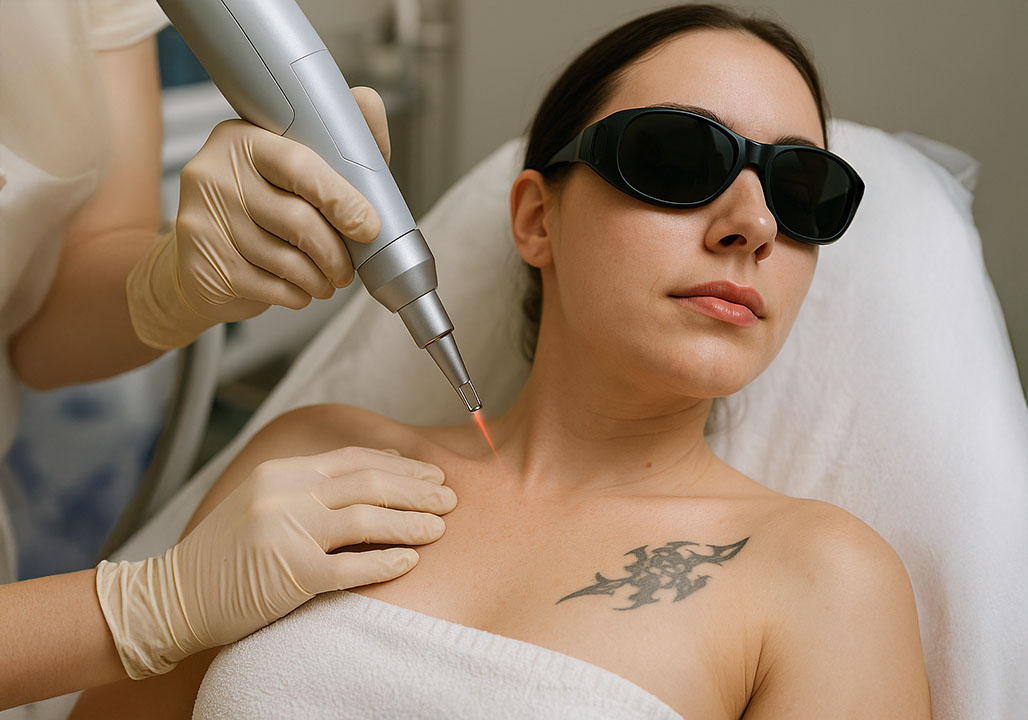
Laser tattoo removal has become one of the most sought-after cosmetic procedures for individuals who want to erase unwanted ink safely and effectively. While tattoo removal methods have existed for decades, the advent of advanced laser systems has dramatically improved the precision, comfort, and safety of the process. However, despite its popularity, laser tattoo removal still requires careful attention to technique, equipment quality, and aftercare to ensure the best outcomes. Understanding how laser tattoo removal works, what makes it safe, and how to minimize risks is essential for anyone considering the procedure.
Laser tattoo removal works on the principle of selective photothermolysis. This means that specific wavelengths of laser light are targeted toward the tattoo pigments without damaging the surrounding skin. The laser energy penetrates the epidermis and is absorbed by the ink particles within the dermis. As these particles absorb the energy, they heat up and shatter into microscopic fragments. The body’s immune system then gradually flushes out these fragments over several weeks through natural processes. Each laser session targets different layers or color densities, meaning multiple treatments are necessary for complete removal.
Safety during laser tattoo removal begins with using the correct type of laser. The most advanced systems today, such as the Q-switched and PicoSure lasers, are specifically designed for pigment removal. Q-switched lasers emit high-intensity pulses in nanoseconds, effectively breaking down darker pigments like black and blue, while PicoSure lasers operate in picoseconds and can treat stubborn colors like green, yellow, and red. These devices are FDA-approved and widely recognized for their precision and safety when operated by trained professionals. Choosing a reputable clinic with certified laser technicians is one of the most critical safety factors in achieving successful results.
The skin’s response to laser energy is another key consideration in safety. Each individual’s skin type, tone, and sensitivity determine the correct settings for treatment. A professional will typically perform a patch test before the full session to gauge how the skin reacts. This helps prevent complications such as hyperpigmentation (dark spots), hypopigmentation (light spots), or scarring. For darker skin tones, specific wavelengths are chosen to avoid over-absorption of laser energy by melanin. Proper calibration of the device ensures that only the tattoo pigment absorbs the energy, minimizing thermal injury to the skin.
Pre-treatment preparation also contributes to overall safety. Patients are usually advised to avoid sun exposure, tanning, or self-tanning products before treatment, as UV exposure can make the skin more sensitive to laser energy. Certain medications, such as antibiotics or acne treatments that increase photosensitivity, should be disclosed to the provider. Hydration and healthy skin condition also improve healing and reduce the likelihood of adverse reactions. On the day of the procedure, the area is cleaned, and protective eyewear is provided to both the patient and the technician to guard against accidental laser exposure to the eyes.
During the procedure, patients often feel a snapping or stinging sensation similar to a rubber band striking the skin. While this is tolerable for most people, topical numbing creams or local cooling devices may be used for comfort. The laser beam is delivered in controlled bursts, and the entire session typically lasts only a few minutes, depending on the size of the tattoo. The treated area may appear whitish immediately afterward due to the release of steam within the skin—a normal and temporary reaction known as “frosting.”
Aftercare plays an essential role in maintaining safety and ensuring optimal healing. The skin may feel warm, swollen, or slightly tender for several hours post-treatment. Applying a cool compress and using a fragrance-free, soothing ointment can help reduce inflammation. The area should be kept clean, covered with a sterile bandage for the first 24 hours, and then allowed to breathe. Patients are advised to avoid scratching, picking, or exposing the treated skin to sunlight or harsh chemicals. Sunblock with high SPF is mandatory between sessions to prevent pigmentation changes. Following aftercare instructions meticulously reduces the risk of infection and speeds up recovery.
Although modern laser tattoo removal is considered safe, there are potential side effects if proper protocols are not followed. Common temporary reactions include redness, swelling, blistering, or minor scabbing. These symptoms usually resolve within a week or two. More serious complications, though rare, can include scarring, prolonged pigmentation changes, or allergic reactions to the tattoo ink fragments as they are metabolized by the body. Infections can occur if aftercare instructions are ignored or if the treated skin is contaminated. Fortunately, most side effects can be avoided when the procedure is performed in a clean, professional environment by qualified technicians.
An important factor in long-term safety is spacing out the sessions appropriately. Laser tattoo removal is typically performed every six to eight weeks to allow the skin adequate time to heal and the lymphatic system to process the fragmented ink. Attempting to rush treatments can cause excessive irritation, scarring, or delayed healing. Patience is key; tattoos fade gradually, and complete removal often requires multiple visits depending on factors such as ink depth, color variety, and the tattoo’s age.
Lifestyle factors can also influence safety and results. Smoking, for example, can slow the body’s ability to remove ink fragments, extending the treatment timeline. Maintaining a healthy diet rich in antioxidants supports immune function and helps the body clear pigment particles more efficiently. Staying well-hydrated improves circulation and skin regeneration, aiding recovery between sessions.
Choosing a qualified laser provider is the cornerstone of safety. Licensed medical spas, dermatology clinics, or laser centers with experienced professionals ensure that the equipment is maintained, calibrated, and sterilized properly. A detailed consultation before beginning treatment allows the practitioner to assess the tattoo, discuss goals, explain potential outcomes, and identify any contraindications such as pregnancy, certain medications, or medical conditions affecting healing. Transparency about health history allows for a personalized, safe treatment plan.
Finally, it’s important to have realistic expectations. Complete tattoo removal is achievable for many individuals, but some ink colors—especially light greens, purples, or neon shades—may be more resistant. In such cases, significant fading rather than total erasure might be the safest achievable goal. Attempting to over-treat a resistant tattoo can cause unnecessary skin trauma. A professional laser technician will prioritize skin health over speed, ensuring that every session balances efficacy and safety.
Laser tattoo removal has revolutionized how people can safely erase unwanted tattoos. Modern lasers like Q-switched and PicoSure systems have set a new standard for safety, precision, and effectiveness. The key to minimizing risks lies in selecting a reputable provider, adhering to pre- and post-care guidelines, and allowing the skin sufficient time to recover between sessions. With careful attention to detail, proper technique, and patient cooperation, laser tattoo removal is a safe, predictable, and rewarding process that helps restore confidence and clear skin without compromising long-term health.