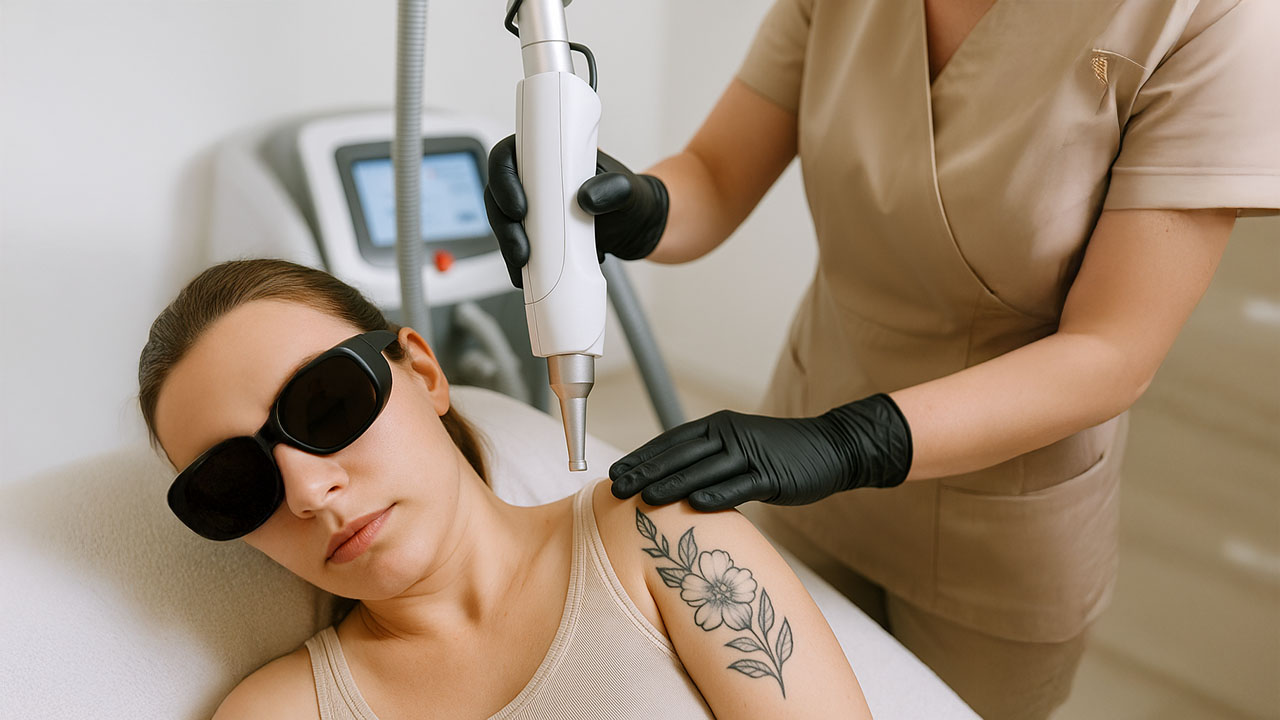
Laser tattoo removal has evolved dramatically over the past decade, making it not only more accessible but also significantly safer and more effective than earlier methods. Whether you are removing a tattoo for aesthetic reasons, changing career paths, or simply seeking a fresh start, understanding the principles of safety behind modern laser technology is essential. Safe laser tattoo removal involves a combination of the right equipment, trained professionals, skin-appropriate protocols, and proper aftercare. When all these factors align, clients can achieve excellent results with minimal risks and long-term skin health preserved.
At the core of safe tattoo removal is advanced laser technology. Modern devices, such as Q-switched and picosecond lasers, use ultra-short pulses of light energy to break down ink particles without causing significant heat damage to the surrounding skin. The science behind this is selective photothermolysis: the laser energy targets pigment while leaving healthy tissue largely unaffected. This precise targeting makes laser removal exponentially safer than older abrasive methods like dermabrasion or salabrasion, which physically scraped the skin. By relying on light energy rather than physical trauma, today’s procedures drastically reduce scarring, infections, and recovery complications.
Safety also depends heavily on choosing the right laser for the type of ink, depth of pigment, and skin tone. For example, darker skin tones require longer wavelengths, such as 1064 nm from Nd:YAG lasers, because they bypass melanin and reduce the risk of hyperpigmentation or burns. Lighter skin tones may tolerate a wider range of wavelengths, including 532 nm, 694 nm, or 755 nm, which target specific ink colors more effectively. A reputable clinic will assess the tattoo’s colors—blacks, blues, reds, greens, oranges—and match them to the most appropriate technology. Using the wrong wavelength can reduce effectiveness and increase risks, which is why professional clinics invest in multi-wavelength systems designed to safely treat a wide variety of tattoos.
Equally important is the expertise of the practitioner. Safe tattoo removal requires proper training in laser physics, skin assessment, Fitzpatrick skin typing, and treatment protocols. Experienced providers know how to adjust fluence (energy level), spot size, and pulse duration to balance effectiveness with safety. They also know when to space sessions appropriately to allow the body’s lymphatic system time to flush out fragmented ink particles. Over-treating or performing sessions too close together can stress the skin, increase blistering, and potentially lead to scarring. A professional who understands both the science and the art of laser tattoo removal can guide clients through a treatment plan that maximizes fading while minimizing risks.
Before beginning treatment, clients should undergo a thorough consultation. A safe clinic will review medical history, discuss expectations, examine the tattoo, and identify any contraindications. Certain conditions—such as active skin infections, pregnancy, or recent sunburn—can make treatment unsafe. Medications that increase photosensitivity, such as certain antibiotics or acne medications, must also be disclosed. Transparent communication ensures that the practitioner can develop a plan tailored to the client’s needs and limitations.
Patch tests are another important component of safety. Especially for those with darker skin tones or sensitive skin, a patch test involves firing the laser on a small portion of the tattoo to monitor how the skin reacts over several days. This helps the practitioner fine-tune settings and confirm that the laser is compatible with the individual’s skin type. Reputable clinics never rush into full treatments without ensuring the technology is appropriate and safe for the client.
During the procedure, safety protocols are equally critical. The use of protective eyewear for both client and practitioner is mandatory, as laser light can cause serious eye injury. Proper skin cooling—using cryogen sprays, cold air devices, or ice packs—helps minimize discomfort and reduces the risk of thermal damage. Many clinics also apply topical numbing agents to increase comfort, particularly for larger or more sensitive areas.
Pain management itself is part of safe tattoo removal. While laser removal does involve some level of discomfort, the sensation is typically described as similar to rapid snapping of a rubber band. An experienced provider will monitor the client’s tolerance and make adjustments as needed. Safe treatment prioritizes not only skin protection but also the client’s overall comfort.
Aftercare is one of the most critical yet often overlooked components of safe tattoo removal. Immediately after treatment, the skin may appear red, swollen, or frosted (a temporary whitening effect). Proper aftercare involves keeping the area clean, avoiding direct sunlight, and refraining from picking at any scabs or blisters that may appear. Clients should use gentle cleansers, apply recommended ointments, and avoid activities that increase heat or friction, such as saunas or intense exercise, for at least 24–48 hours. Inadequate aftercare can increase the risk of infection, scarring, or pigment issues, even when the procedure itself is performed flawlessly.