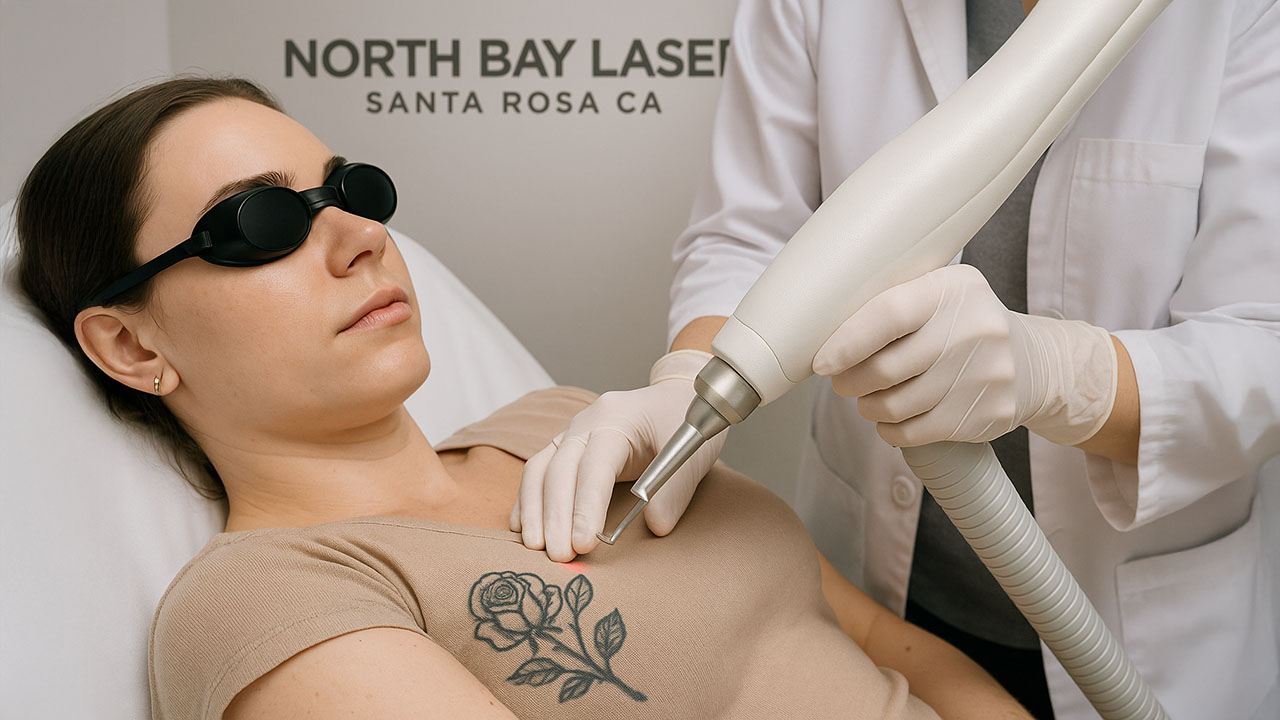
Tattoos are a powerful form of self-expression, but they can sometimes become a source of regret. Whether due to changes in lifestyle, professional goals, or simply outgrowing the design, many individuals seek tattoo removal. Among the available options, laser tattoo removal stands out as the most effective, widely used, and technologically advanced method. This comprehensive guide explores everything you need to know about laser tattoo removal, from how it works to what to expect during the process.
Understanding Laser Tattoo Removal
Laser tattoo removal is a medical procedure that uses high-intensity light beams to break down the ink particles in a tattoo. These fragments are then gradually cleared away by the body’s immune system over time. Unlike older methods such as dermabrasion or surgical excision, laser removal targets the ink with precision, leaving the surrounding skin largely unharmed.
The most common type of laser used for tattoo removal is the Q-switched laser. This technology delivers powerful pulses in extremely short bursts, allowing it to shatter ink particles without overheating the tissue. In recent years, picosecond lasers have emerged as a cutting-edge alternative, offering even faster and more effective ink breakdown.
How the Procedure Works
Laser tattoo removal is typically performed in a series of sessions spaced several weeks apart. Each session targets the tattooed area with laser pulses tailored to the ink’s color and depth. Different wavelengths of light are used to treat different colors; for example, black ink responds well to 1064 nm wavelengths, while red ink requires a 532 nm setting.
During the procedure, the laser’s energy is absorbed by the pigment in the tattoo. This causes the ink to heat up and break into smaller pieces. Over the following weeks, the body’s lymphatic system naturally flushes out the shattered ink fragments. Gradual fading occurs with each treatment, and the process continues until the tattoo is fully or mostly erased.
Pain and Discomfort
Laser tattoo removal is often described as uncomfortable but tolerable. Patients commonly compare the sensation to the snap of a rubber band against the skin or the sting of hot grease. Most clinics offer numbing options, such as topical anesthetics or cold air devices, to ease discomfort during the session.
The level of pain can vary based on the tattoo’s location, size, and age. Areas with thinner skin or higher nerve density, such as the ribs, fingers, or ankles, may be more sensitive. Fortunately, each session is relatively quick, often lasting only 10 to 30 minutes.
Number of Sessions Required
– Tattoo removal is not a one-time event. The number of sessions required depends on several factors, including:
– Ink Color: Black and dark blue inks are the easiest to remove. Lighter colors like green, turquoise, and yellow can be more challenging.
– Tattoo Age: Older tattoos are usually easier to remove because the ink has already started to fade naturally.
– Location: Tattoos located closer to the heart, such as on the chest or upper arms, tend to fade faster due to better blood circulation.
– Depth and Density: Professionally applied tattoos with multiple layers of ink may take longer than amateur or stick-and-poke tattoos.
– Skin Tone: The laser settings must be adjusted carefully for darker skin to avoid pigmentation changes, which can impact effectiveness and safety.
– On average, most people require between 6 and 12 sessions to achieve satisfactory results. Sessions are typically spaced 6 to 8 weeks apart to allow the skin to heal and the body to process the ink.
Aftercare and Healing
Proper aftercare is essential for optimal results and to prevent complications. Immediately after treatment, the skin may be red, swollen, and tender—similar to a mild sunburn. Blisters and scabs may also develop, which is a normal part of the healing process.
Patients are advised to:
– Keep the area clean and dry
– Avoid sun exposure and apply sunscreen if the area is exposed
– Refrain from picking at scabs or blisters
– Follow any topical treatment instructions provided by the clinic
Healing typically takes about 1 to 2 weeks after each session. Following the recommended aftercare routine helps prevent scarring and pigmentation issues.
Risks and Side Effects
Laser tattoo removal is generally safe when performed by trained professionals, but it does carry some risks and side effects, including:
– Skin Discoloration: Hypopigmentation (lightening of the skin) or hyperpigmentation (darkening) may occur, particularly in individuals with darker skin tones.
– Scarring: Though rare, improper technique or poor aftercare can lead to scarring.
– Infection: As with any skin procedure, there’s a small risk of infection if the area is not kept clean.
– Allergic Reactions: Some patients may experience allergic reactions to the ink during removal as the pigment breaks down.
Choosing a reputable clinic with experienced providers minimizes these risks significantly.
Cost of Laser Tattoo Removal
The cost of laser tattoo removal varies depending on the size of the tattoo, the number of sessions required, and the location of the clinic. On average, each session may cost between $100 and $500. Larger tattoos or those requiring more sessions will increase the total cost.
Some clinics offer package deals or financing options to make the procedure more affordable. While the price may seem steep, many consider it a worthwhile investment in regaining control over their appearance.
Advances in Technology
Recent advancements in laser technology, especially the development of picosecond lasers, have revolutionized tattoo removal. These lasers operate at a faster pulse duration than Q-switched lasers, breaking ink into smaller fragments more efficiently and with fewer treatments. They are particularly effective on difficult colors and resistant tattoos.
Additionally, new cooling systems and pain management techniques have made the procedure more comfortable and accessible to a broader range of patients.
Alternatives to Laser Removal
Although laser removal is the gold standard, other options exist, though they are generally less effective or carry higher risks:
– Dermabrasion: This method sands down the skin’s top layers, which can be painful and cause scarring.
– Surgical Excision: The tattooed skin is surgically removed and the edges stitched together. This is usually reserved for small tattoos and often leaves a scar.
– Tattoo Removal Creams: These are widely sold but lack strong scientific support and may cause skin irritation.
These alternatives are rarely recommended unless laser treatment is not viable.
Laser tattoo removal offers a safe, effective, and increasingly refined solution for individuals seeking to erase unwanted tattoos. With advancements in technology, improved comfort levels, and customizable treatment plans, more people are achieving successful results with minimal side effects. However, the process requires patience, commitment, and care.
Anyone considering laser tattoo removal should consult a qualified professional to assess their unique case and develop an appropriate treatment plan. While no method guarantees 100% removal in all cases, laser therapy remains the most promising option for fading or completely eliminating tattoos—and helping people move forward with a clean slate.